Introduction
Post-surgery rehabilitation is a key part of healing after orthopedic procedures. Orthopedic surgeries fix problems with bones, joints, or muscles. For example, they may repair a broken bone or replace a worn-out joint. After surgery, your body needs time and help to heal well. Because of this, recovery exercises are very important. They help you regain strength, movement, and comfort. In fact, many doctors and physical therapists recommend starting gentle exercises soon after surgery. This helps prevent problems and speeds up recovery. According to the World Health Organization, early movement often leads to better results.
Common Orthopedic Surgeries Requiring Rehabilitation
Many types of orthopedic surgeries need post-surgery rehabilitation. While each surgery is different, most share a need for careful recovery. Some common orthopedic procedures include:Knee replacement or repairHip replacement or repairShoulder surgeryBack or spine surgeryRepair of broken bones (fractures)Arthroscopic joint procedures
After these surgeries, doctors often suggest orthopedic recovery exercises. These help you return to normal activities safely.
Why Recovery Exercises Are Essential After Orthopedic Surgery
After surgery, your body needs to heal and regain function. However, rest alone is not enough. Recovery exercises play a big role in this process. For instance, they help keep your muscles strong and your joints flexible. Without movement, your muscles can weaken and joints may become stiff. As a result, you might have trouble moving or doing daily tasks. Physical therapy after surgery guides you through safe exercises. This support helps you avoid injury and build confidence as you heal.
Key Benefits of Post-Surgery Rehabilitation Exercises
There are many benefits of rehabilitation after orthopedic procedures. Some of the most important include:Improved strength and balanceBetter joint movement and flexibilityFaster return to daily activitiesLower risk of blood clots or infectionsLess pain and swellingReduced scar tissue buildupIncreased confidence in movement
Because of these benefits, most doctors recommend starting exercises as soon as it is safe.
Typical Recovery Exercises and Their Purposes
Different surgeries call for different exercises. Yet, some types are common in most post-surgery rehabilitation plans. For example, you may do:Range-of-motion exercises to keep joints movingStrengthening exercises for muscles around the surgery siteBalance and walking drills to improve stabilityGentle stretching to prevent stiffnessBreathing exercises to support lung health
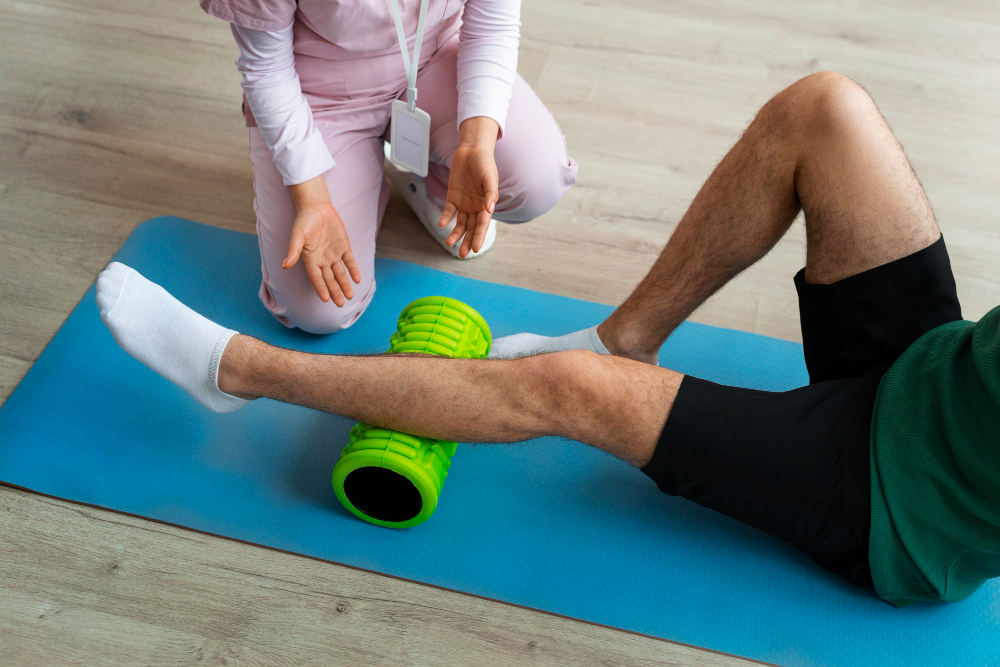
Each exercise has a purpose. For instance, stretching helps prevent tightness. Strengthening builds support for your joints. With guidance, you can do these safely at home or in a clinic.
How Rehabilitation Supports Healing and Prevents Complications
Rehabilitation does more than help you move better. It also protects you from problems after surgery. For example, gentle movement can lower your risk of blood clots. It also helps reduce swelling and pain. According to the CDC, early physical therapy can prevent lung and heart issues after surgery. In addition, regular movement helps your body heal faster. Because of this, following your rehab plan is very important. If you skip exercises, you may face longer recovery times or more pain.
Tips for Safe and Effective Post-Surgery Exercise
To get the most from your orthopedic recovery exercises, keep these tips in mind:Always follow your doctor’s or therapist’s adviceStart slow and increase activity as you healUse proper form to avoid injuryStop if you feel sharp pain, swelling, or dizzinessStay hydrated and rest when neededKeep your exercise area clear and safe
Because everyone heals differently, your plan may change over time. If you have questions, ask your care team for help.
When to Seek Professional Guidance
While many exercises are safe at home, sometimes you need expert help. For example, you should contact your doctor or therapist if you notice:Severe pain or swelling that does not improveRedness, warmth, or drainage near your surgery siteFever or chillsTrouble moving your joint or limbAny new or unusual symptoms
Because your safety is important, do not ignore these signs. Early help can prevent bigger problems and keep your recovery on track.