Cardiopulmonary Rehabilitation
General Medicine
Comprehensive Healthcare for Every Stage of Life
At WhiteCoats Hospital, our General Medicine department provides expert diagnosis, treatment, and preventive care for a wide range of acute and chronic medical conditions. Our experienced physicians focus on identifying the root cause of health concerns while delivering personalized treatment plans that promote long-term wellness.
Whether you're visiting for a routine health check-up, managing a chronic illness, or seeking treatment for an unexpected medical condition, our team is committed to providing compassionate, evidence-based care for patients of all ages.
About Our General Medicine Department
Our General Medicine specialists are the first point of contact for many health concerns. They diagnose, treat, and manage a broad spectrum of illnesses while coordinating with specialists whenever advanced care is required.
Using modern diagnostic tools and a patient-centered approach, we ensure timely diagnosis, effective treatment, and continuous health monitoring to help you achieve better overall health.

Supporting Breathing, Endurance and Everyday Activities
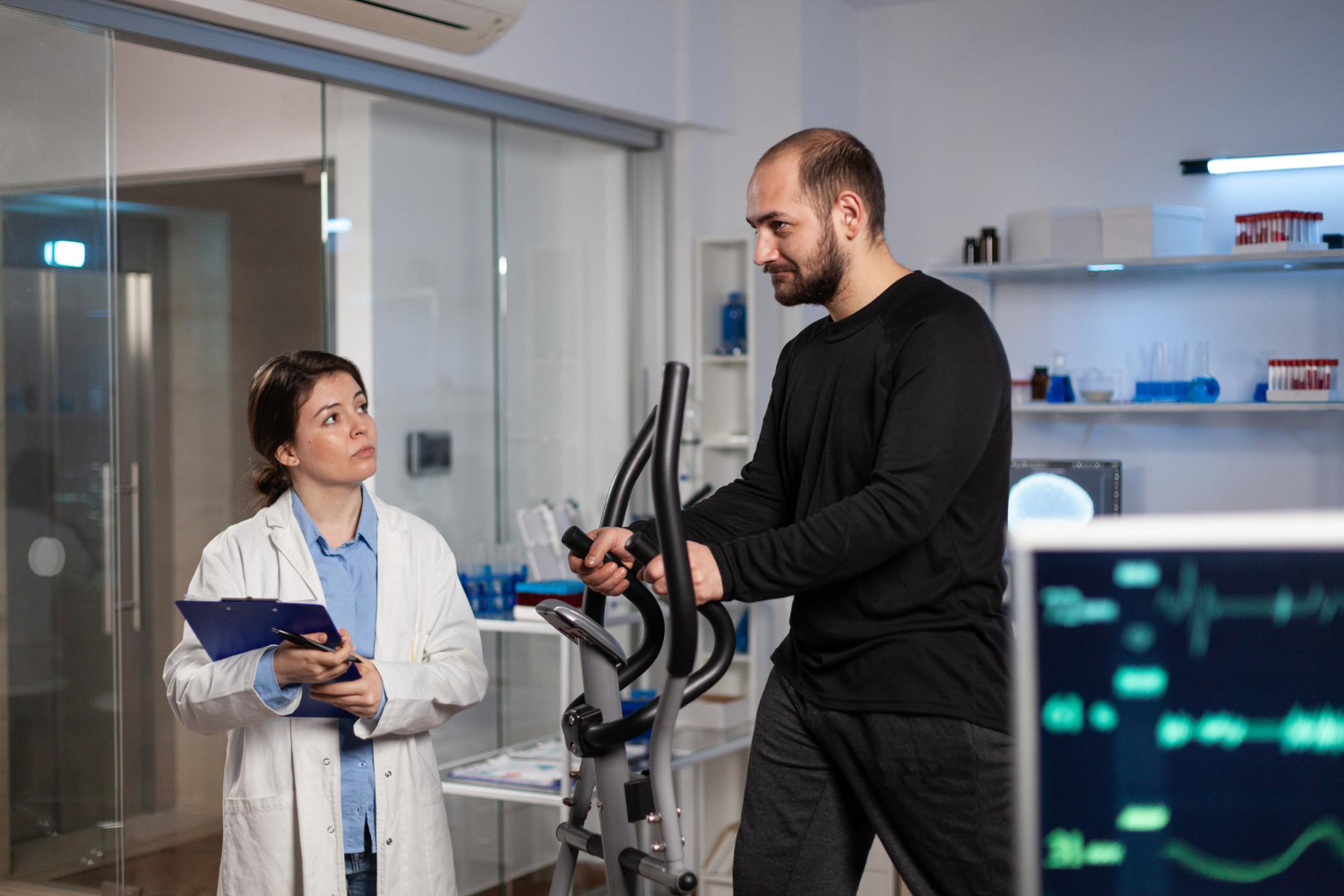
Cardiopulmonary rehabilitation focuses on physical function and exercise tolerance in people with selected heart or lung conditions. Illness, surgery, prolonged inactivity, and some chronic medical conditions can make everyday activities such as walking, climbing stairs, or completing household tasks more difficult. A supervised, appropriately prescribed rehabilitation programme may help eligible patients improve their physical capacity and manage daily activities more confidently.
At PainFix Advanced Physiotherapy Centre, cardiopulmonary rehabilitation is approached with attention to the patient’s medical history, current symptoms, exercise tolerance, and recommendations from their treating clinician. Exercise intensity and progression must be appropriate for the individual’s condition and medical stability.
Who May Benefit From Cardiopulmonary Rehabilitation?
Depending on medical clearance and individual assessment, rehabilitation may be considered for people who:
Are recovering from selected cardiac events or procedures.
Experience reduced exercise tolerance after an illness.
Have certain respiratory conditions affecting physical activity.
Experience deconditioning after hospitalisation or prolonged inactivity.
Need support rebuilding endurance and functional mobility.
Require guidance on pacing physical activities during recovery.
Not every heart or lung condition is suitable for the same rehabilitation programme. Your treating clinician can help determine whether physiotherapy-based rehabilitation is appropriate.
What Does the Programme Involve?
1. Initial Assessment
The physiotherapist reviews relevant medical information, symptoms, activity limitations, mobility, and exercise tolerance. Where indicated, the treating medical team’s guidance and exercise precautions are incorporated into the plan.
2. Breathing and Activity Education
Patients may receive guidance on breathing techniques, pacing, energy conservation, and managing activities within their recommended limits.
3. Graded Exercise Training
When medically appropriate, the programme may include gentle walking, functional exercises, mobility work, and progressive endurance activities. Exercise duration and intensity are adjusted to the patient’s response and clinical recommendations.
4. Strength and Functional Training
Suitable exercises can help address weakness and improve the ability to perform daily tasks. The emphasis is on safe, gradual progression rather than pushing through symptoms.
Monitoring and Safety
Patients with cardiac or respiratory conditions may require specific monitoring or precautions. Exercise should follow the medical advice appropriate to the person’s diagnosis and risk level. New chest pain, severe or unusual breathlessness, fainting, or other concerning symptoms during exercise require stopping activity and obtaining urgent medical assistance as appropriate.
The Role of Patient Education
Understanding how to pace activity, recognise warning signs, follow prescribed exercises, and communicate changes in symptoms is an important part of rehabilitation. Patients should continue prescribed medicines and medical follow-up as directed by their treating clinician.
At PainFix, the goal is to support appropriate physical activity and functional recovery within safe, individual limits. Outcomes vary according to the underlying condition and overall health.
Discuss Your Needs: Contact PainFix to enquire about cardiopulmonary rehabilitation and whether a physiotherapy assessment may be suitable for you.